Signing at the notary for a property purchase: what to expect and what to bring
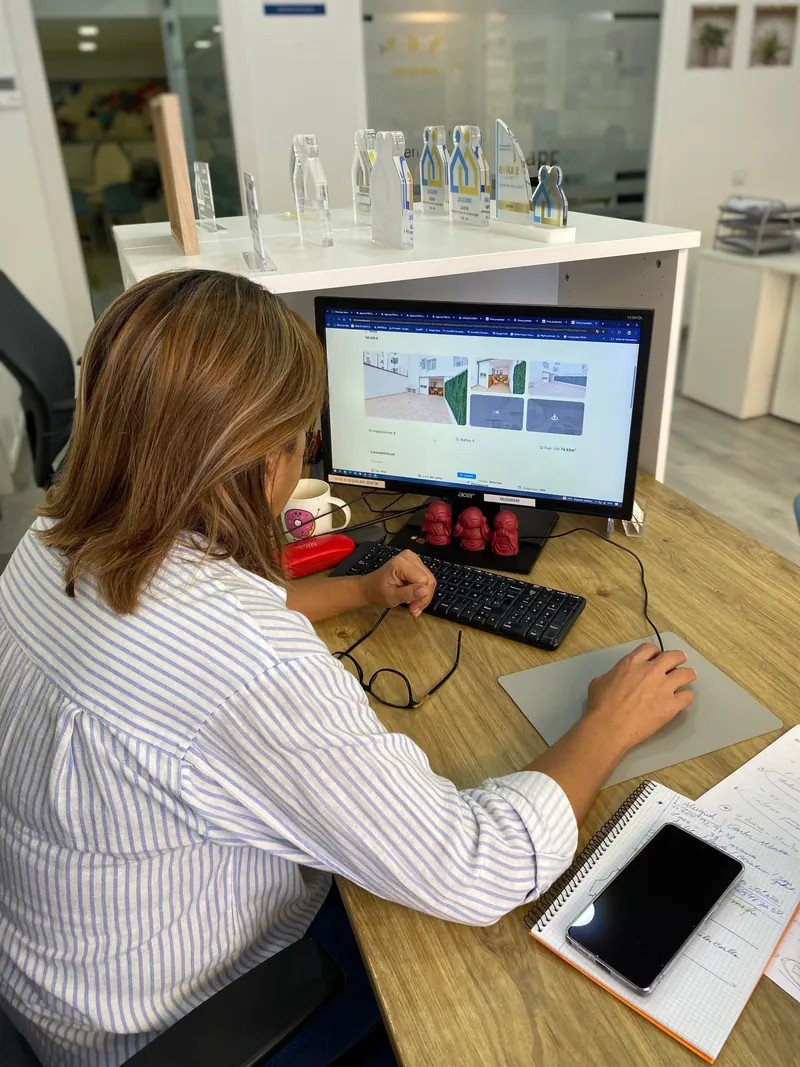
- The public deed is executed before a notary, who verifies identity, charges and the method of payment
- Bring your NIE or passport and the documents requested; if you don't speak the language, ask for an interpreter
- After signing, taxes are paid and the home is registered in the Land Registry
I attend many purchase signings at notary offices in Alicante, and I almost always see the same nervousness in first-time buyers. I'll tell you what signing day is like so that you arrive calm and with everything ready.
What the deed is and why it is signed before a notary
The public deed of sale is the document that records the sale before a notary. The notary verifies that the parties are who they say they are and have the capacity to sign, informs both of the legal consequences and checks the registry status of the home. It is the step that makes the sale effective and allows it to be registered afterwards in the Land Registry.
What the notary checks before signing
- Identity of the parties: valid DNI, NIE or passport.
- Ownership and charges: through the Registry's nota simple extract, to know whether the home has mortgages or attachments.
- Method of payment: the notary identifies how the price is paid. The usual methods are bank transfer or bank cheque; cash payments are very limited by law.
- Documentation of the home: energy certificate, habitability certificate and certificate from the owners' community.
What to bring on signing day
- Your valid passport or NIE.
- The signed deposit contract and the proofs of payment of the deposit.
- If you have a mortgage, your bank's documentation and the bank cheque or transfer that will be used.
- Your Spanish bank account details for direct debit of taxes and utilities.
- If someone else signs on your behalf, the power of attorney with apostille and sworn translation where applicable.
If you don't speak Spanish
The notary must make sure you understand what you are signing. If you don't speak the language, the deed is explained with an interpreter or a translation. I accompany my Portuguese-speaking clients during the signing so that no clause goes without being understood.
If there is a mortgage
The mortgage is signed before a notary on the same day or shortly afterwards, following the procedure set by Law 5/2019 on real estate credit agreements: the bank must give you the documentation in advance and the notary explains the conditions at a prior visit. Here I explain how the steps of a purchase fit together.
Who pays what
- The buyer normally pays the purchase tax (ITP, or VAT and AJD), the notary, the registry and the administrative agent.
- The seller pays, unless agreed otherwise, the municipal capital gains tax (plusvalía) and, where applicable, clears the charges on the home.
This split is agreed and must be put in writing in the deposit contract. That is why it is worth reviewing it calmly before signing it.
After signing
After the signing, taxes are settled, the deed is registered in the Land Registry and the utilities and the community are changed into your name. I stay with you until the keys are in your hand and everything is closed.
This article is for information only and does not replace legal advice in a specific case. The WeLegal team can help you.
Frequently asked questions
How long does the signing last?
Normally between 30 minutes and an hour, although it depends on whether there is a mortgage and how many parties are involved.
Can I sign without being in Alicante?
Yes, by granting a power of attorney to a trusted person. It must be prepared properly and, if done outside Spain, it usually requires an apostille and translation.
Is the price paid on the day of signing?
Usually yes, by transfer or bank cheque. It is agreed beforehand in the deposit contract.
Tell me the date and the notary and we'll go through together what is still missing, in Spanish or Portuguese. Message me on WhatsApp.